

Discover the Mesmerizing Belize Blue Hole
The Belize Blue Hole is a world-renowned natural attraction that offers an unparalleled underwater experience. Located in the heart of the Caribbean, this stunning phenomenon is a must-visit destination for any diving enthusiast or curious traveler.
Imagine diving into the crystal-clear waters of the Blue Hole, surrounded by a breathtaking landscape of underwater formations. The geological history of this site is as fascinating as it is beautiful, making it a unique spot for exploration.
Key Takeaways
- Explore the crystal-clear waters of the Belize Blue Hole.
- Discover the geological history behind this natural wonder.
- Experience the thrill of diving in a unique underwater environment.
- Learn about the best times to visit the Blue Hole.
- Plan your trip with our guide to the surrounding area.
The Natural Wonder of the Belize Blue Hole
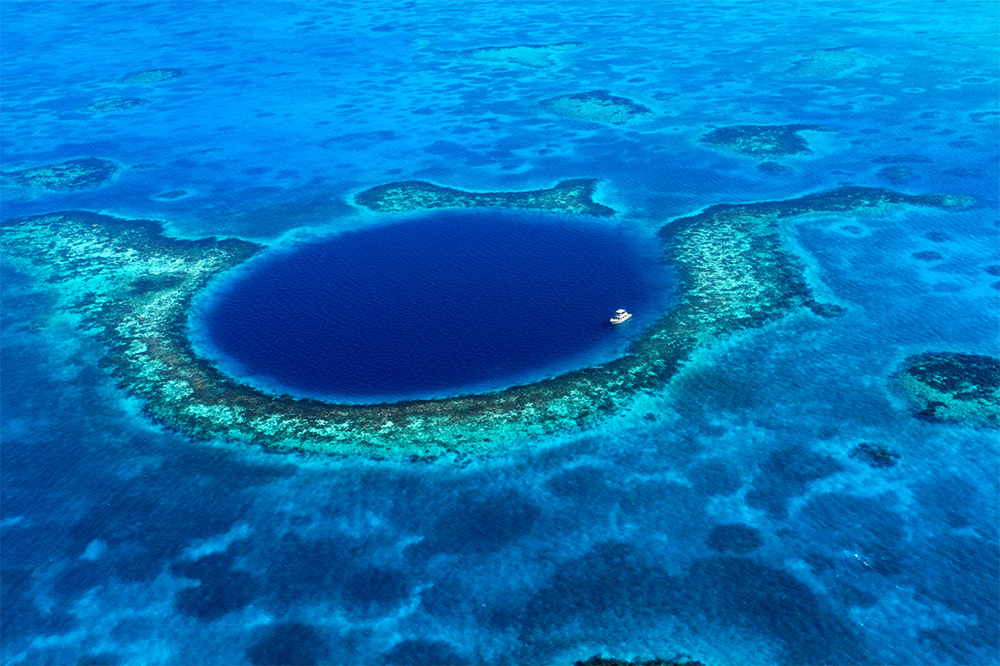
The Belize Blue Hole is a breathtaking natural wonder that has captivated the imagination of people around the world. This stunning underwater sinkhole, located in the center of the Lighthouse Reef Atoll, is a marvel of geological formation and a testament to the natural beauty of the Caribbean.
Read more like this Languages of Belize
Geological Formation and Unique Characteristics
The Belize Blue Hole was formed during the last ice age, when the sea level was significantly lower. As the ice caps melted and the sea levels rose, the limestone cave system beneath the surface collapsed, creating this massive underwater sinkhole. The Blue Hole is approximately 300 meters in diameter and 125 meters deep, making it a unique and fascinating site for scientists and divers.
Its crystal-clear waters and distinct circular shape make it a standout feature in the ocean. The Blue Hole’s remarkable clarity and depth allow for an otherworldly diving experience, attracting adventurers from around the globe.
| Characteristics | Details |
| Diameter | Approximately 300 meters |
| Depth | 125 meters |
| Formation | Collapsed limestone cave system |
UNESCO World Heritage Status and Global Recognition
In 1996, the Belize Blue Hole was designated a UNESCO World Heritage Site, recognizing its natural beauty and geological significance. This status acknowledges the site’s importance and the need for its preservation for future generations.
The Great Blue Hole Belize has also gained international recognition, featuring in numerous documentaries, films, and publications. Its unique characteristics and the adventures it offers have made it a globally renowned destination for diving and exploration.
Read more like this Cost of Living in Belize A Detailed Guide
Where is the Blue Hole in Belize? Location and Geography
For those planning to visit, understanding the location of the Blue Hole in Belize is crucial. The Great Blue Hole is a prominent underwater sinkhole that is part of a larger geological formation.
Precise Coordinates and Lighthouse Reef Atoll Setting
The Great Blue Hole is located at 17.3153° N, 87.5344° W, within the Lighthouse Reef Atoll, a small atoll about 70 kilometers off the coast of Belize City. This atoll is one of the most significant offshore atolls in the Caribbean, known for its crystal-clear waters and diverse marine life.
The Lighthouse Reef Atoll is a ring-shaped coral reef, with the Blue Hole being its most famous feature. The atoll’s unique geography creates a haven for marine biodiversity, making it a popular destination for divers and marine enthusiasts.
Distance from Mainland and Surrounding Geography
The Blue Hole is approximately 70 kilometers off the coast of mainland Belize, near the center of the Lighthouse Reef Atoll. The surrounding geography is characterized by coral reefs, with the Blue Hole being a notable depression in the reef system. The area’s underwater landscape is dotted with other dive sites, including Half Moon Caye and Long Caye.
Understanding the geography of the area is essential for planning a visit, as it influences the logistics of getting to the Blue Hole, whether by diving or through aerial tours.
The Fascinating History Behind the Great Blue Hole Belize
The history of the Great Blue Hole is as captivating as the site itself, with roots dating back to ancient times. This natural wonder has been shaped by geological events and explored by pioneers in underwater exploration.
Ancient Formation During Ice Age Periods
During the ice age periods, the Great Blue Hole was formed as a result of geological processes. The area was once a dry land cave system that was gradually submerged as sea levels rose. This transformation created the stunning underwater sinkhole we see today.
Jacques Cousteau’s Famous 1971 Expedition
In 1971, Jacques Cousteau led an expedition to the Great Blue Hole, exploring its depths and uncovering its secrets. This expedition not only highlighted the site’s natural beauty but also brought international attention to its significance.
Read more like this Enjoy a New York Lifestyle in the Heart of Belize
Recent Scientific Explorations and Discoveries
Recent scientific explorations have continued to reveal the secrets of the Great Blue Hole. Some of the key findings include:
- Unique stalactite formations that provide insights into the site’s geological history.
- Diverse marine life that inhabits the area, contributing to its ecological significance.
- Evidence of the site’s role in the region’s geological and climatic changes.
These discoveries underscore the importance of the Great Blue Hole, not just as a natural wonder, but as a site of scientific interest.
Diving into the Great Blue Hole in Belize
The allure of the Belize Blue Hole lies in its untouched underwater landscapes and the adventure it offers to divers. This natural wonder is a diver’s paradise, providing an experience unlike any other diving destination around the world.
The Unique Underwater Experience
Diving into the Great Blue Hole is an exhilarating experience, with divers descending into the crystal-clear waters to explore an alien-like underwater world. The dive is a journey into the unknown, with the water’s clarity offering visibility of up to 150 feet.
Stalactite Formations and Cave Features
One of the most fascinating aspects of diving in the Blue Hole is encountering the stalactite formations and other cave features that dot the underwater landscape. These formations, created over thousands of years, add to the mystique of the dive.
The Feeling of Descending into the Abyss
As divers descend into the Blue Hole, the feeling of being in an underwater abyss is both thrilling and humbling. The depth and the darkness of the water create an otherworldly experience.
Skill Requirements and Certification Needs
Diving in the Blue Hole requires a certain level of skill and certification. Divers are typically required to have advanced diving certifications due to the depth and complexity of the dive. It’s essential for divers to be aware of their limitations and to dive within their certification levels.
Safety Considerations and Dive Planning
Safety is paramount when diving in the Blue Hole. Divers must carefully plan their dive, including monitoring weather conditions, understanding the currents, and making contingency plans. Working with experienced dive guides and operators is crucial for a safe and enjoyable dive.
Marine Life and Ecosystems of the Belize Blue Hole
As a submerged sinkhole, the Belize Blue Hole creates a unique environment that fosters an incredible variety of marine ecosystems. This natural wonder is not just a diving site; it’s a thriving ecosystem that is home to a diverse range of marine life.
The Belize Blue Hole’s ecosystem is characterized by its complex interactions between various species and their environment. The surrounding reef systems play a crucial role in maintaining this delicate balance.
Reef Systems Surrounding the Blue Hole
The Lighthouse Reef Atoll, where the Blue Hole is located, is a critical component of the marine ecosystem. It provides a habitat for numerous species of fish, coral, and other marine organisms. The reef system acts as a barrier, protecting the Blue Hole from the open ocean’s forces and creating a relatively calm environment within.
Fish Species and Coral Formations
The Belize Blue Hole is home to a vast array of fish species, including groupers, snappers, and nurse sharks. The coral formations within and around the Blue Hole are equally diverse, with species such as brain coral and sea fans contributing to the rich biodiversity.
Caribbean Reef Sharks and Other Large Marine Life
One of the most significant attractions of the Belize Blue Hole is the presence of Caribbean Reef Sharks. These apex predators, along with other large marine life like groupers and stingrays, inhabit the waters of the Blue Hole, making it a fascinating site for divers and marine biologists alike.
The ecosystems within the Belize Blue Hole are not only diverse but also interconnected, highlighting the importance of conservation efforts to protect this natural wonder for future generations.
Read more like this Things to Do in Ambergris Caye for Couples
How to Visit the Great Blue Hole from Ambergris Caye
For those based in on Ambergris Caye, reaching the Great Blue Hole is easier than you think, with multiple day trip and liveaboard options available. The key to a successful trip is planning and choosing the right tour operator.
Day Trip Options and Tour Operators
Several tour operators offer day trips from Ambergris to the Great Blue Hole. These trips typically include:
- Early morning departures to maximize daylight
- Guided tours with experienced dive masters
- Snorkeling or diving equipment rentals
- Meals and refreshments on board
Some reputable tour operators include Belize Pro Dive Center and Ramon’s Dive Shop, known for their safety records and knowledgeable guides.
Liveaboard Experiences for Serious Divers
For serious divers, liveaboard experiences offer an immersive way to explore the Great Blue Hole and surrounding dive sites. These trips can last from a few days to a week, providing:
- Multiple dives at the Great Blue Hole and other locations
- Accommodations on the boat
- Meals prepared by onboard chefs
Liveaboard boats like Raggamuffin and Belize Underwater Adventures offer comprehensive packages that cater to divers seeking an in-depth exploration.
Transportation Logistics and Planning Tips
When planning your trip, consider the following logistics:
- Book your tour or liveaboard well in advance, especially during peak season.
- Check the weather forecast and be prepared for changes in sea conditions.
- Pack accordingly, including sun protection, seasickness medication, and appropriate dive gear.
It’s also advisable to purchase travel insurance that covers diving activities.
Read morel like this Best Places to Visit in Belize
Best Time to Visit the Great Blue Hole Belize Central America
To make the most of your visit to the Great Blue Hole, it’s essential to know the optimal time to go. The timing of your trip can significantly impact your experience, from the quality of your dive to the overall enjoyment of your journey.
Dry Season Advantages
The dry season, which spans from November to April, is considered the best time to visit the Great Blue Hole. During these months, the weather is generally calm, with clear skies and minimal rainfall. This period offers excellent visibility underwater, making it ideal for diving and snorkeling. The dry season also coincides with the peak tourist season, so you can expect a more vibrant atmosphere and a wider range of tour options.
Wet Season Considerations
The wet season, from May to October, brings its own set of characteristics to the Great Blue Hole. While there is more rainfall during this time, it’s not continuous, and the rain showers can be brief. The wet season can offer some advantages, such as fewer tourists and potentially lower prices for tours and accommodations. However, the rain and increased cloud cover can affect underwater visibility, making it a less popular time for diving.
Visibility Conditions Throughout the Year
Visibility is a crucial factor for divers and snorkelers visiting the Great Blue Hole. The dry season generally offers the best visibility, often exceeding 150 feet. In contrast, visibility during the wet season can be more variable, sometimes dropping to around 50 feet or less after heavy rainfall. Understanding these conditions can help you plan your trip during the time that best suits your preferences and diving experience.
Beyond Diving: Alternative Ways to Experience the Blue Hole in Belize
While diving is a major draw, Belize’s Blue Hole offers numerous alternative experiences for visitors. The site’s natural beauty and unique characteristics make it an attractive destination for a variety of activities.
Aerial Tours and Helicopter Flyovers
For a bird’s-eye view of the Blue Hole, consider taking an aerial tour or helicopter flyover. This provides a unique perspective on the site’s vastness and the surrounding reef systems. Helicopter tours often offer a thrilling experience, with many operators providing narrated tours that highlight the geological and ecological significance of the area.
Aerial tours can be particularly memorable, offering stunning views that are not possible from the water or underwater. They provide an opportunity to appreciate the Blue Hole’s scale and its place within the larger Lighthouse Reef Atoll.
| Tour Type | Duration | Cost |
| Aerial Tour | 30 minutes | $200 |
| Helicopter Flyover | 1 hour | $400 |
Snorkeling the Surrounding Reef Systems
For those who prefer to stay near the surface, snorkeling the reef systems surrounding the Blue Hole is an excellent alternative. The waters around the Blue Hole are home to a diverse array of marine life, including colorful fish and coral formations.
“Snorkeling in the crystal-clear waters around the Blue Hole offers an unforgettable experience, with the chance to see an array of marine life in their natural habitat.”
Snorkeling tours often include guided excursions to the best locations, providing insights into the local ecosystem and helping participants spot the most interesting marine creatures.
Conservation Efforts and Environmental Challenges
The Belize Blue Hole faces numerous environmental challenges that necessitate immediate conservation efforts. As a UNESCO World Heritage site, it is imperative to address these issues to preserve its natural beauty and ecological integrity.
Climate Change Impacts on the Blue Hole Ecosystem
Climate change poses a significant threat to the Belize Blue Hole. Rising sea temperatures can lead to coral bleaching, damaging the delicate ecosystem. Warmer waters also affect the distribution and abundance of marine life, potentially disrupting the food chain.
Plastic Pollution and Tourism Pressures
The Belize Blue Hole is vulnerable to plastic pollution, with plastic debris harming marine life and contaminating the water. Tourism, while economically beneficial, also puts pressure on the ecosystem. Unregulated tourism can lead to habitat destruction and increased pollution.
Preservation Initiatives and Sustainable Tourism Practices
To mitigate these challenges, various preservation initiatives are underway. Sustainable tourism practices, such as eco-friendly tour operations and waste management, are being promoted. Conservation efforts include monitoring marine health, protecting habitats, and educating visitors about the importance of preserving this natural wonder.
By adopting sustainable practices and supporting conservation efforts, we can help protect the Belize Blue Hole for future generations. As
“The ocean is the lifeblood of our planet, and it’s our responsibility to safeguard it.”
This sentiment underscores the importance of our role in preserving marine ecosystems like the Belize Blue Hole.
Other Attractions Near the Great Blue Hole Belize
Surrounding the iconic Great Blue Hole are numerous other attractions worth visiting. The area is a treasure trove of natural wonders and exciting experiences that cater to diverse interests.
Half Moon Caye Natural Monument
One of the standout attractions near the Great Blue Hole is the Half Moon Caye Natural Monument. This protected area is known for its pristine beaches and crystal-clear waters, making it an ideal spot for snorkeling and relaxation. The monument is also a nesting site for sea turtles, adding to its ecological significance. As
“A haven for wildlife and a paradise for beach lovers.”
Visitors can enjoy the serene environment and observe the rich marine life.
Long Caye and Other Premier Diving Sites
For diving enthusiasts, Long Caye offers an array of diving opportunities with its vibrant coral reefs and diverse marine life. The area is home to numerous dive sites, each with its unique characteristics and attractions. Divers can explore underwater caverns, encounter an array of fish species, and experience the beauty of the Belizean reef system.
The combination of the Great Blue Hole and these surrounding attractions makes the region a premier destination for adventure seekers and nature lovers alike.
Read more like this Healthcare in Belize
Conclusion: The Enduring Majesty of Belize’s Great Blue Hole
The Belize Blue Hole stands as a testament to the natural world’s enduring majesty. This breathtaking natural wonder has captivated explorers and scientists alike, offering a glimpse into the Earth’s ancient past. With its crystal-clear waters and unique geological formation, the Blue Hole is an unparalleled destination for divers and nature enthusiasts.
As we’ve explored throughout this article, the Belize Blue Hole is not just a remarkable diving site but also a significant ecological and historical treasure. From its formation during the Ice Age to its current status as a UNESCO World Heritage Site, the Blue Hole’s allure lies in its mystique and natural beauty. Whether you’re drawn to its rich marine life, its fascinating history, or simply its majestic presence, the Belize Blue Hole is a destination that inspires awe and fosters a deeper appreciation for our planet’s incredible natural heritage.
Visiting the Belize Blue Hole is an experience that will leave you with lasting memories of its enduring majesty, making it a must-visit destination for anyone drawn to the wonders of our natural world.
🏝️ Ready to explore paradise?
Subscribe to our channel @lunarealtybelize for exclusive Belize real estate property tours, insider tips, and answers to all your Belize property questions.
FAQs on Belize Blue Hole
Where is the Blue Hole in Belize?
The Blue Hole is located in the Lighthouse Reef Atoll, approximately 70 kilometers (43 miles) off the coast of Belize City, Belize.
What is the best time to visit the Great Blue Hole Belize?
The best time to visit is during the dry season, from November to April, when the weather is calmer and visibility is better.
Do I need to be a certified diver to dive in the Belize Blue Hole?
Yes, you need to be a certified scuba diver to dive in the Blue Hole. The dive requires a certain level of experience and certification due to its depth and complexity.
What kind of marine life can I expect to see in the Belize Blue Hole?
The Blue Hole is home to a variety of marine life, including Caribbean Reef Sharks, groupers, snappers, and numerous species of fish, as well as coral formations.
Are there any alternative ways to experience the Belize Blue Hole if I’m not a diver?
Yes, you can experience the Blue Hole through aerial tours or helicopter flyovers, or by snorkeling the surrounding reef systems.
How do I get to the Great Blue Hole from Ambergris Caye?
You can take a day trip or liveaboard tour from Belize City. Many tour operators offer transportation and guided tours to the Blue Hole.
What are the conservation efforts in place to protect the great blue hole in Belize?
Conservation efforts include initiatives to reduce plastic pollution, protect marine life, and promote sustainable tourism practices to preserve the Blue Hole’s ecosystem.
Can I visit other attractions near the Great Blue Hole?
Yes, the area around the Blue Hole is rich in attractions, including the Half Moon Caye Natural Monument and other premier diving sites like Long Caye.
What are the visibility conditions like in the Belize Blue Hole throughout the year?
Visibility conditions vary throughout the year, with the best visibility typically during the dry season, from November to April.
