


During last year’s NCAA Tournament, basketball fans complained about the lack of a team-centric Cinderella story to define the event. The only double-digit seed to advance to the Sweet 16 was Arkansas, out of the SEC, led by Hall of Famer John Calipari. That’s not the kind of underdog we’re used to seeing.
In 2023, Princeton reached the Sweet 16, Florida Atlantic lasted to the Final Four, and Fairleigh Dickinson University beat No. 1 seed Purdue. And it’s unlikely we’ll see a repeat of 2022, when Saint Peter’s created the Elite 8.
The 2025 tournament was one of the most “chalky” of all time, meaning the teams that made it to the final rounds were pretty much what you would expect. In fact, it was only the second Final Four in history that featured four number one seeds.
There are some factors that explain the change. One is the evolution of the transfer portal, which has accelerated the process of players transferring from one school to another during their college careers.
Another is that name, image and likeness (NIL) rules that allow student-athletes to receive financial compensation fundamentally changed the shape of college sports. In recent years, player markets have exploded.
Third, the teams at the highest levels of basketball are simply better than ever, making it much more difficult for mid-major programs to compete in even a single game setting.
But look at the lists of the best teams in the country, and you’ll find a lot of Cinderella DNA there.
Three March Madness stars are born
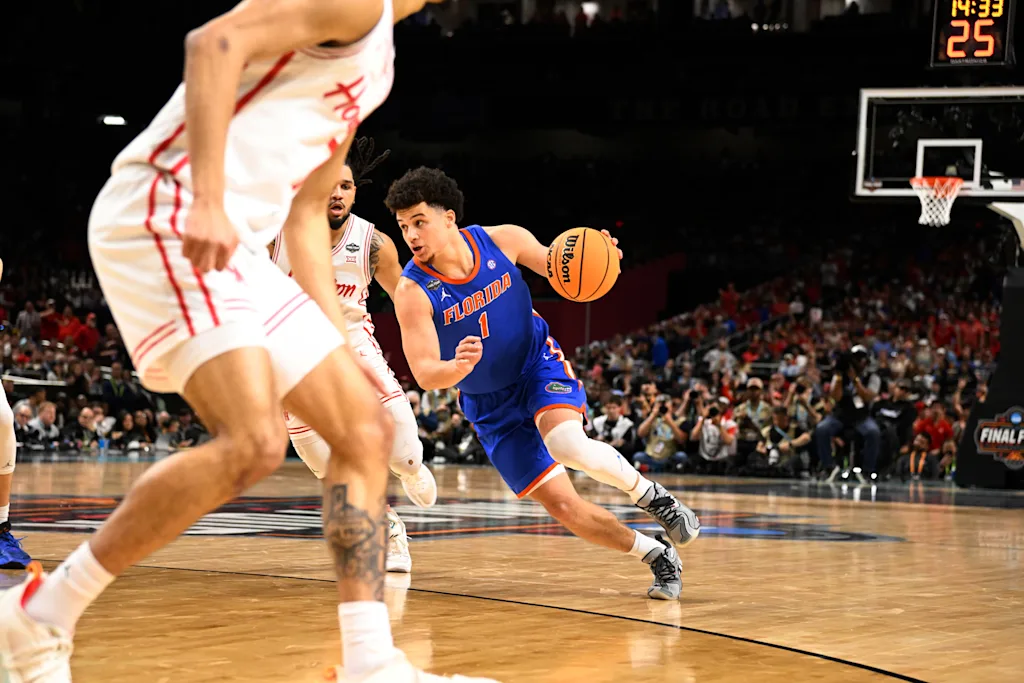
If you remember just one player from last year’s NCAA Tournament, it’s probably Walter Clayton Jr., the All-American guard who led Florida to the national championship with heroic second-half performances. But Clayton wasn’t always an All-American. In fact, he had more prominent scholarship offers to play football after high school than basketball, but he preferred the hardwood to the field.
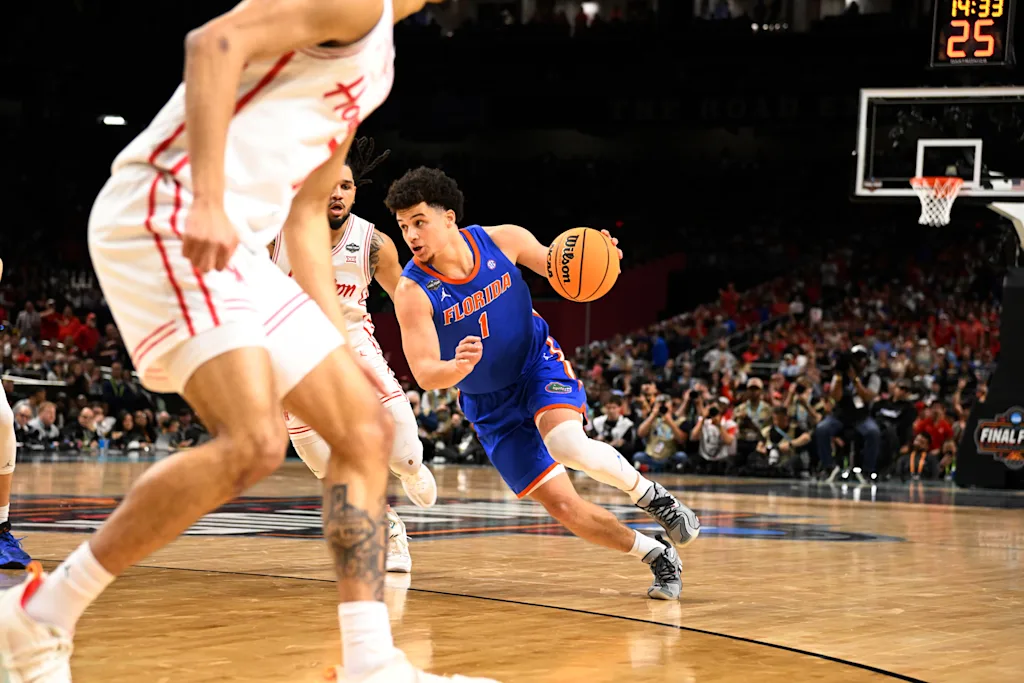
So he passed up the opportunity to play football at Georgia, Notre Dame, Tennessee and other power programs to play basketball at tiny Iona College, a school with fewer than 4,000 students more than 1,000 miles from his hometown of Lake Wales, Florida.
Iona is a regional mid-level basketball power and, at the time, its coach was Hall of Famer Rick Pitino. Clayton made a name for himself, winning MAAC Player of the Year as a sophomore and leading the Gaels to an NCAA Tournament appearance in 2023. Then he entered the transfer portal, headed to Florida and the rest is history.
If that’s not an underdog story, I don’t know what is.
In the national semifinal, Clayton and the Gators defeated top-seeded Auburn, a team coached by Johni Broome, another Florida native who had been overlooked coming out of high school. Broome didn’t make any big sacrifices, so he committed to Morehead State in the Ohio Valley and became a superstar there.
Two years later, Broome transferred to Auburn and earned a considerable sum after proving himself at the junior high level. He won the SEC Player of the Year award as a junior at Auburn. He was the second consecutive winner of that award to begin his career outside of the power conferences.
Tennessee’s Dalton Knecht won the SEC Player of the Year award for the 2023-24 season. He was a college player coming out of high school and needed to regain the grades and ability to play at a higher level. Now Clayton, Broome and Knecht play in the NBA.
New faces, unlikely trips
This is the “Freshman Year” of college basketball, filled with superstars who have been household names (at least in basketball circles) since they were in eighth grade, like AJ Dybantsa, Darryn Peterson and Cameron Boozer. But there are also many Cinderella stories to follow.
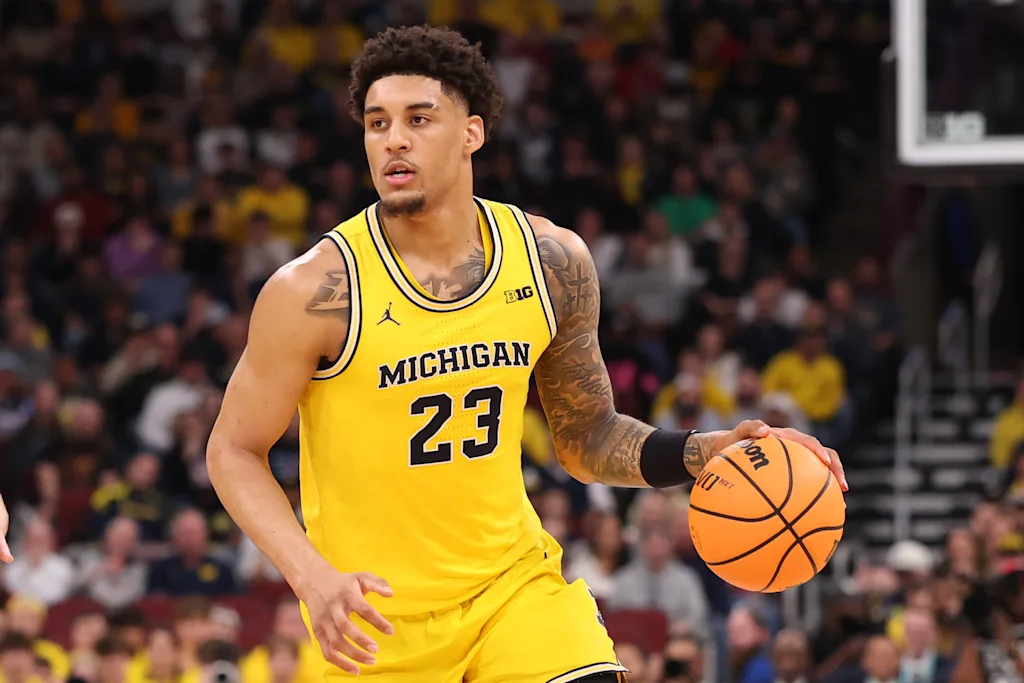
The best player on perhaps the best team in the country, Michigan’s Yaxel Lendeborg, didn’t have the qualifications to play Division I basketball after high school. He faced significant adversity and crossed the country to play college baseball in Arizona. However, over three years, he became a dominant college player and signed to play at the University of Alabama-Birmingham, a mid-major program.
After two seasons at Alabama, twice making the conference’s first team, he transferred to Michigan, having earned a college degree. (He could continue playing thanks to Pavia’s waiver). Just five years ago, I wasn’t sure I would earn a high school diploma. Now he has a chance to win a national championship at the elite college level.
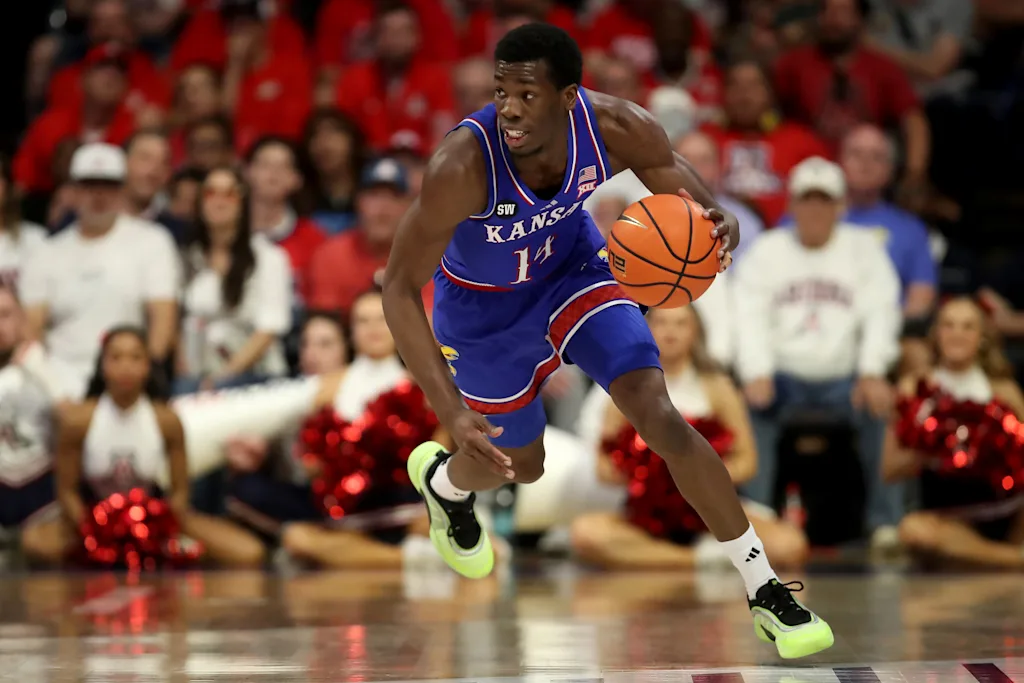
Melvin Council Jr. climbed the college ladder to Wagner College (a school in one of Division I’s weakest conferences) and St. Bonaventure University (a school in the Atlantic 10, one of Division I’s best non-power conferences) to become one of the best players at Kansas, one of college basketball’s most storied programs, in the powerful Big 12 Conference.
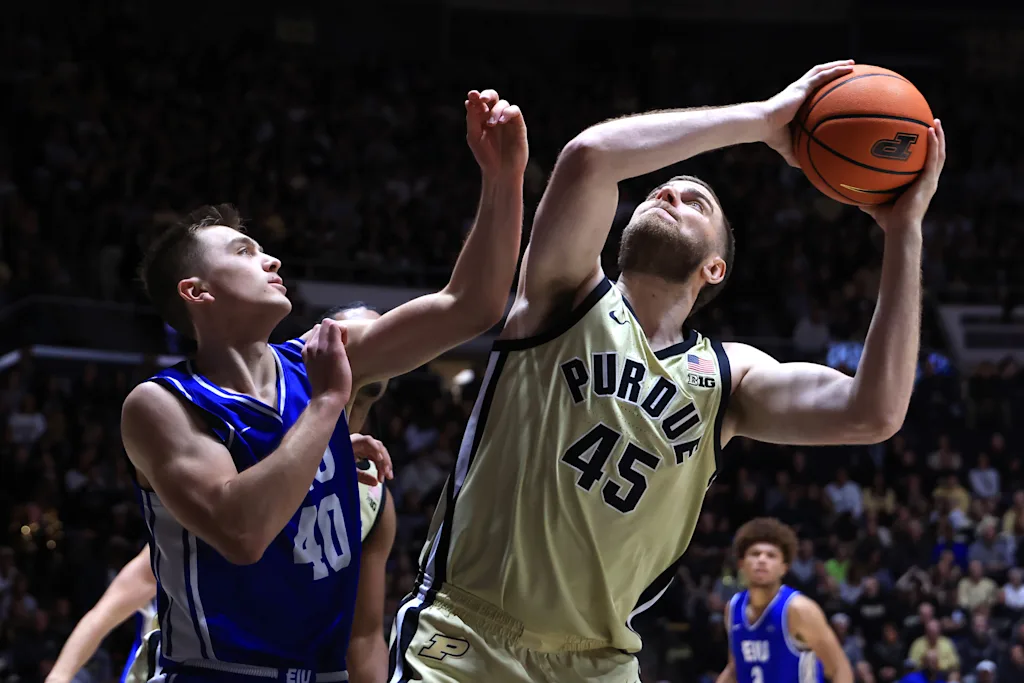
Purdue’s Oscar Cluff moved to the U.S. from Australia in 2021 to play college baseball, then made stops at Washington and South Dakota State Universities before landing at Purdue this season. Iowa’s Bennett Stirtz began his career in Division II. Texas Tech has three starters who began their careers at mid-level programs outside of the five power conferences. Ben Humrichous, now at Illinois, previously played for a school that wasn’t even part of the NCAA.
New Types of March Madness Success Stories
These are the Cinderella stories emerging for March Madness 2026: meteoric rises focused on individuals, not teams. What’s interesting is how certain schools have adapted and prospered. A mid-major program like Belmont University has seen players it recruited in high school leave for schools like Florida (Will Richard, now in the NBA), Maryland (Ja’Kobi Gillespie, now at Tennessee) and North Carolina (Cade Tyson, now at Minnesota).
Instead of those players making a formidable team for the Belmont Bruins as seniors last season, they competed in the NCAA Tournament on different teams, with Richard winning the national championship alongside the aforementioned Clayton, as well as a few other mid-level transfers with the Gators.
Belmont has had to find new waves of players each year to replace stars who left, or turn younger players into stars, only to see them drafted as well. The team constantly loses top players, but continues to win games anyway.
The Bruins had a good season this year, going 26-6, but were eliminated in the quarterfinals of the Missouri Valley Tournament and did not qualify for the Big Dance.
It’s always a fantastic March Madness story when a mid-level star player decides to stay at his school, passing up a bigger payday. And watching young players successfully navigate from a smaller school to the national stage can also be rewarding.
But as college sports change, so must the lens we use to look at the narratives behind them. Belmont University’s consistency despite so much turmoil shows that there will always be great mid-major teams vying to be Cinderellas. They may be harder to find.