



My work days often take place in minimalist Zoom workplaces or conference rooms with glass walls and sleek windows, filled with entrepreneurs pitching ideas. As a marketing executive and startup mentor, I drive strategy for companies of various sizes, mentor founders at startup accelerators TechStars and Founder Institute, and serve as an awards jury member. My calendar is packed with executive consultations, brand campaign planning, and short deadlines.
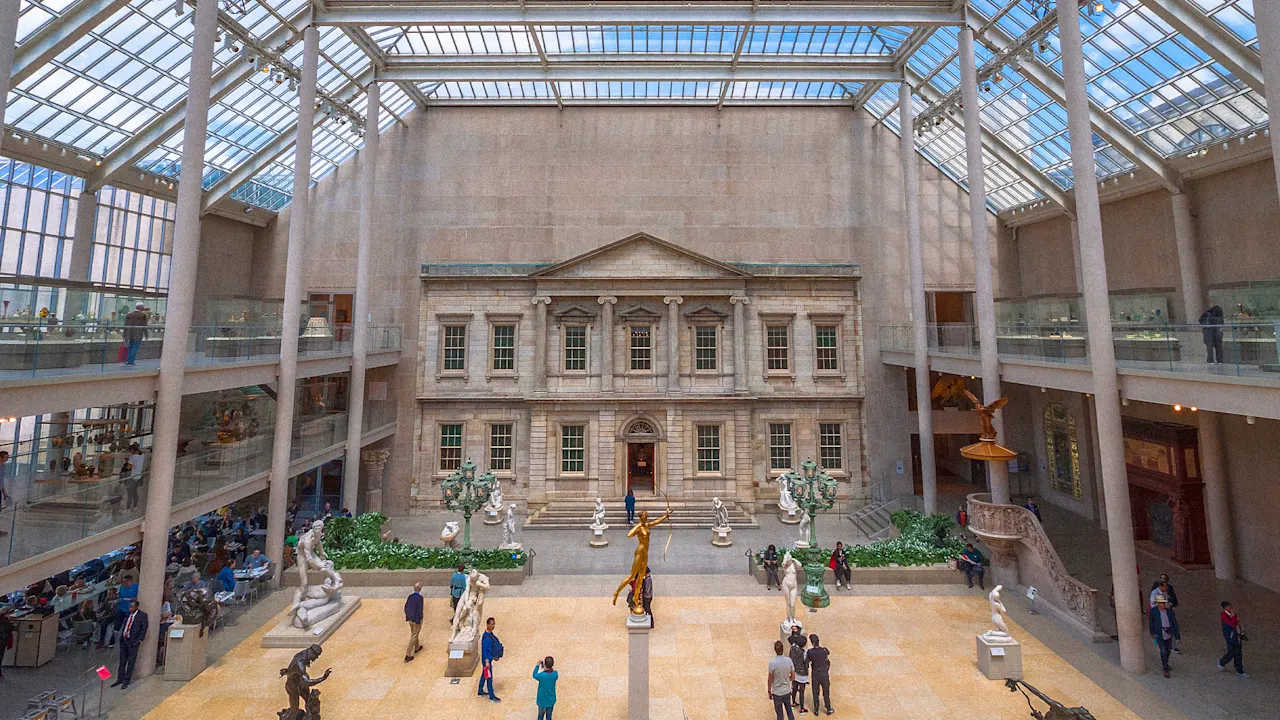
But between Christmas and New Year’s, I trade those sterile spaces for museum rooms full of color and history.
It wasn’t easy walking out the door the first time I did this in 2021. I was full of fears. What happens if a startup stagnates? What happens if a client runs away?
But in the end I did it. I dedicated entire days to museums. No notifications during the visit, no news sources. Just art and a notebook.
This was not a leisurely Christmas stroll. I didn’t set out to make this a blueprint. I simply craved the difference. What I didn’t expect was how deeply it replenished me. I feared it would derail the momentum; instead, it opened up clarity.
If you’re a leader who believes you can’t afford to take a break, that’s precisely why you should. Here’s how to get started.
What was the museum ritual like?
I timed it consciously: Christmas week plus New Year’s Eve, overlapping holidays when customers slow down anyway, so I didn’t miss any critical days.
While I was away, my colleagues took charge of brand campaigns; an assistant classified the rest. If a force majeure arose, they would divert it.
On Christmas Eve morning last year I went out. Here’s a day in the ritual:
Slow walk to an art gallery, followed by a leisurely coffee, outlining initial impressions. Then, hours absorbing art. No music on headphones, no quick email scans. Full presence.
Leaving the gallery, I headed to the local Christmas market near the town hall. I savored the hot coffee and bagels, savoring the warmth of the cup in my hands.
At the end of the day, inspiration struck. I filled my notebook: not speeches, but reflections: annual objectives reconsidered, market blind spots, creative hunches forgotten, leadership values dusty from abandonment.
The ideas flowed because I carved the space. They were stuck.
Three ideas that remodeled me
Here are three ideas I stumbled upon while taking a moment to pause:
1. Different lenses multiply advances.
A single perspective limits you. As I moved from the Cubism room to the Impressionism room in a museum, I remembered a direct-to-consumer brand struggling in Asia. They were obsessed with premium customers but missed the mass market. My walking and thinking led me to a simple turn: adapt the messages to the local culture. Sales skyrocketed.
Now my mornings start with a question: “What lens am I using today?” Calm. Global. Bold. Now I lead from vision, not reaction. The world finds me there.
2. Stillness trumps speed.
Startups move fast. Metrics can triple in a month. But speed under pressure clouds your judgment. In one case, a data management company had problems with positioning. The features of their new products were failing despite endless debates. After the Christmas holidays, new ideas emerged. We repositioned the product and landed a major client in a matter of days. Now I always ask myself: “Is this vision or just speed?” The pause comes first.
3. Dare to break the rules.
Art thrives by breaking conventions. Picasso’s cubism breaks with traditional points of view, just as the best startups do. During a gallery visit in December, I thought about a tech team trapped in safe, predictable marketing. We moved on to bold and unexpected ideas, like combining AI imagery with Renaissance art vibes in January. It seemed risky, but the client loved it. Sales increased. Now I ask each team: “What is the rule we can break?” Bold moves win in technology.
Why more leaders should try a museum ritual
Your mind craves depth, not distraction. We provide muscle recovery; Why starve our creativity? Enter the galleries and ideas resurface: the vision sharpens, you reconnect with the leader without getting carried away by the noise.
Maybe museums aren’t your catalyst: lakeside solitude, hiking trails, or a quiet moment at a cafe may move you more. The central point—that leaders need deliberate downtime to recharge and generate catalytic insights—remains.
Taking a break didn’t slow me down; It aligned me with the essentials. We confuse free time with pleasure. Mistaken. It is leadership discipline: slowing down to think about what is vital.