


The days of Republicans’ tough stances against marijuana are apparently gone.
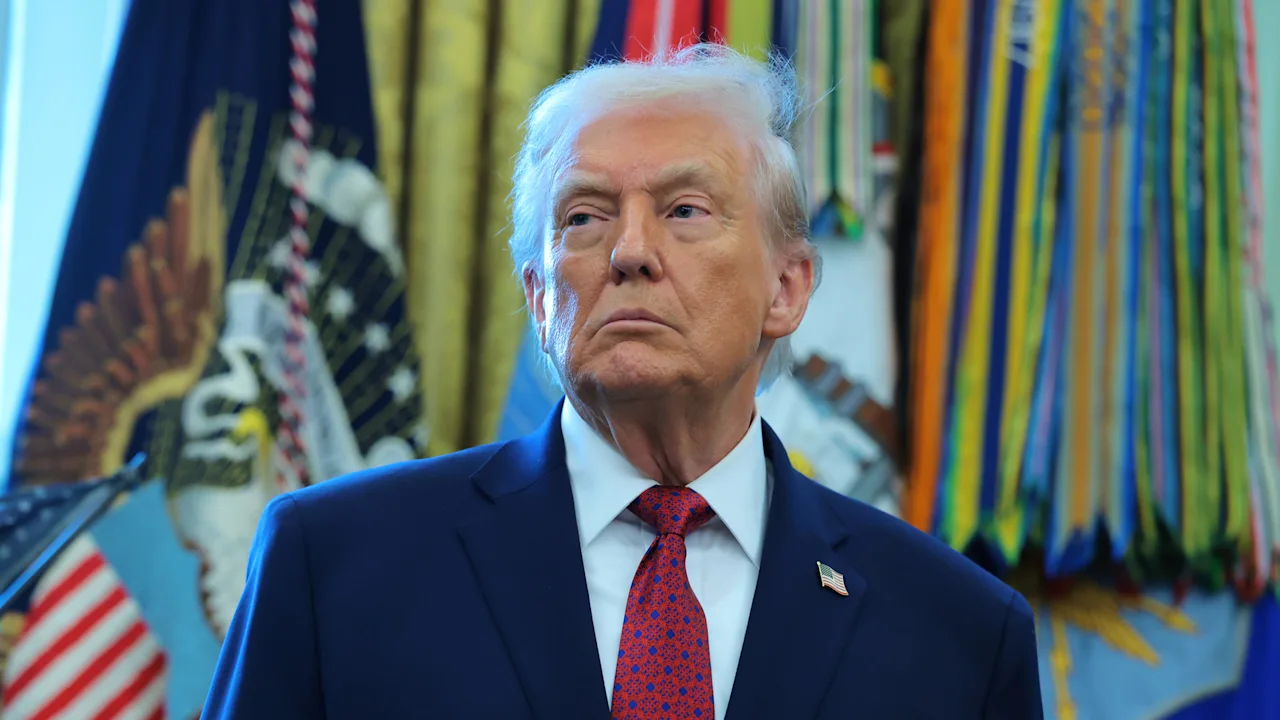
On December 18, President Donald Trump signed an executive order to reclassify marijuana as a Schedule III substance, an effective downgrade from Schedule I, the most dangerous classification, which includes drugs such as heroin. The change could allow cannabis to be used in more medical research. The order also authorized the creation of a pilot program to reimburse Medicare patients for CBD products.
The reclassification does not legalize marijuana, but rather apparently ends a recommendation made by the Biden administration in 2022 to reschedule the drug.
“The Attorney General will take all necessary steps to complete the rulemaking process related to the reclassification of marijuana into Schedule III of the CSA. [Controlled Substances Act] in the most expeditious manner consistent with federal law,” the executive order says.
Notably, Trump’s reclassification order was signed days after he escalated his administration’s stance on another controlled substance, fentanyl. On December 15, the president signed an executive order calling fentanyl “closer to a chemical weapon than a narcotic” and designating it “a weapon of mass destruction.”
In fact, cannabis stocks ended up in the red on December 18, despite the news. Tilray Brands, for example, was down 4.3% on the day and Canopy Growth was down almost 12%.
Cannabis industry members are cautiously optimistic about what the executive order really means.
“The Administration’s order requiring the removal of the cannabis plant from its Schedule I classification validates the experiences of tens of millions of Americans, as well as tens of thousands of physicians, who have long recognized that cannabis has legitimate medical utility,” Paul Armentano, deputy director of NORML (the National Organization for the Reform of Marijuana Laws), said in a statement. “This directive certainly marks a long-overdue change in direction.”
Others are much more skeptical about what it means for the legal market, but believe the changes are a boon for medical cannabis. “Cannabis is still illegal at the federal level,” said Ryan Hunter, chief revenue officer at Spherex, which creates cannabis-infused vaporizers and gummies, in comments shared with fast company. “The real victory here is for medicinal cannabis. In Schedule III, it is much more practical for conventional doctors to prescribe cannabis products.”
Others are simply happy to see the reclassification become a reality. “We welcome the decision to reclassify cannabis. This long-awaited step aligns regulation with science and public opinion, providing a necessary foundation for patient relief and supported business growth,” said Socrates Rosenfeld, co-founder and CEO of Jane Technologies, in a statement shared with Fast company.
Jane Technologies creates software for cannabis companies. Rosenfeld added: “We are hopeful that this marks the beginning of real momentum toward the broader systemic reform needed for a truly fair and accessible industry.”