


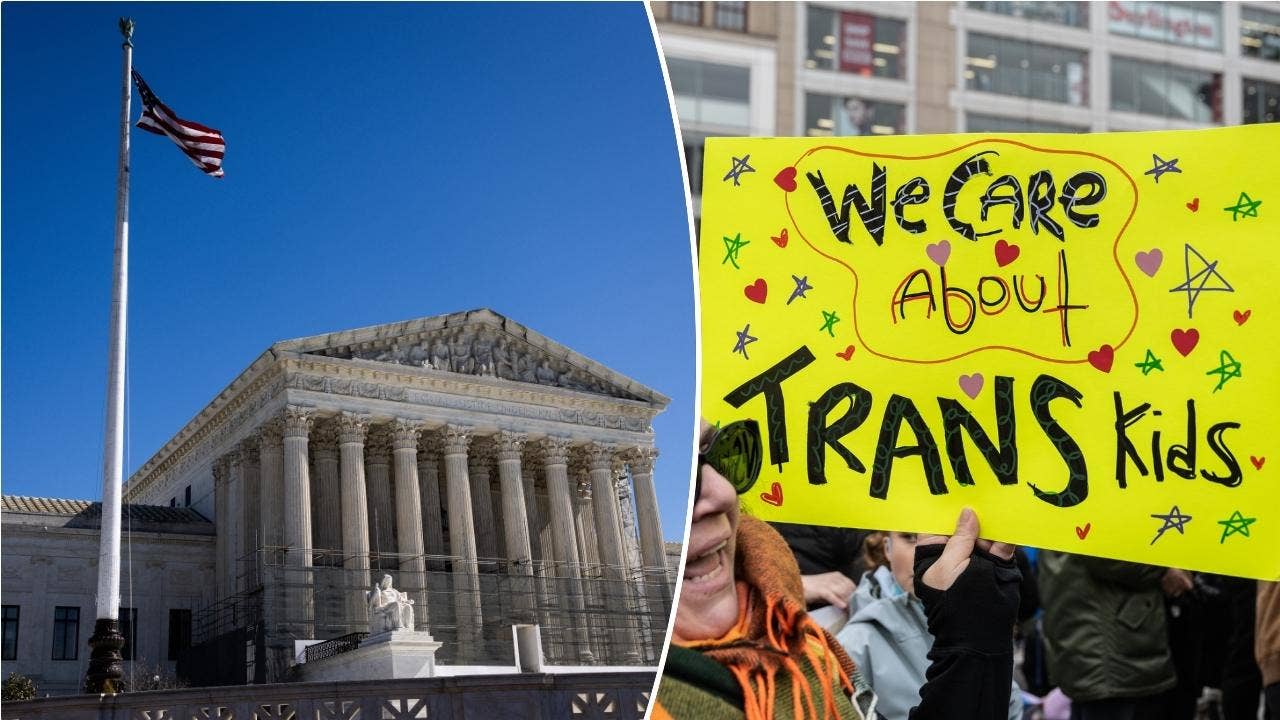
NEWNow you can listen to Fox News articles!
The Democratic-controlled Colorado House of Representatives on Thursday passed a bill allowing people harmed by conversion therapy to sue therapists, just days after the Supreme Court blocked enforcement of the state’s ban on the method.
HB26-1322 would establish a path for Coloradans to file civil lawsuits against licensed mental health professionals accused of causing harm through efforts to change a person’s sexual orientation or gender identity.
The bill also allows individuals to take legal action against entities that hired and supervised a professional who performed conversion therapy. The bill now heads to the state Senate, which is also controlled by Democrats, for consideration.
The move could open the door to lawsuits years after therapy is performed and expose providers to significant financial liability.
KAGAN TURNES AGAINST LIBERAL ALLY JACKSON WITH A FOOTNOTE FOR FREEDOM OF SPEECH
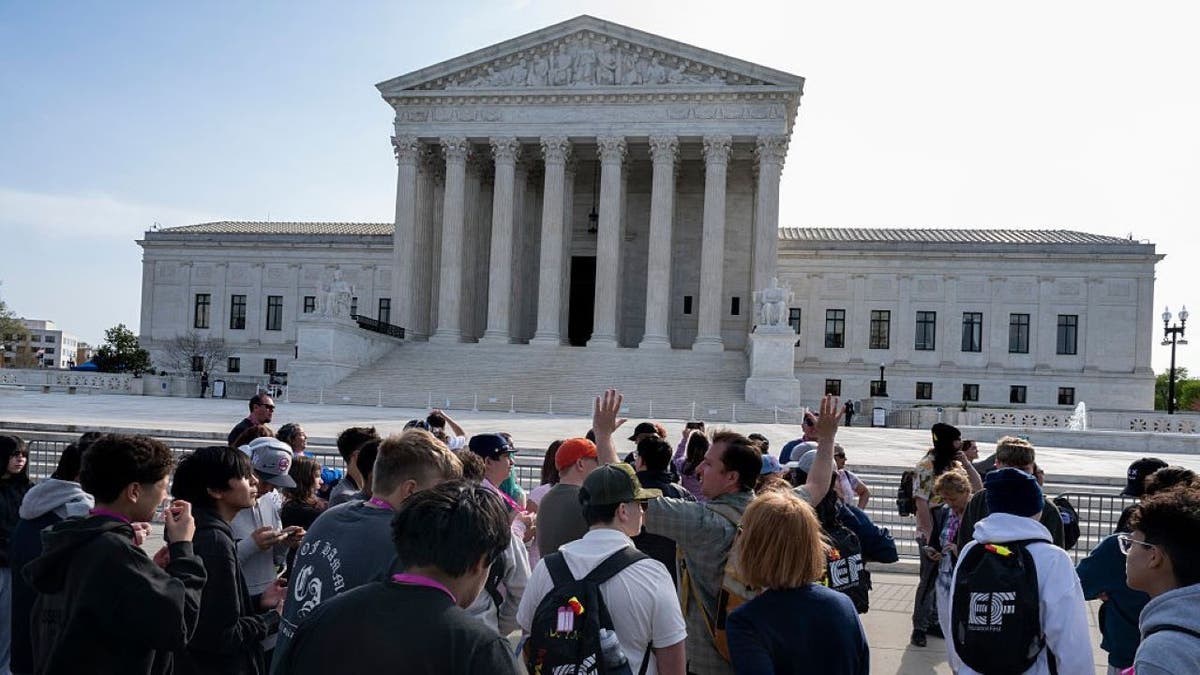
Students listen to a man explain the meaning of the statues that adorn the United States Supreme Court building on March 31, 2026 in Washington, DC. (Roberto Schmidt/Getty Images)
The legislation was advanced just days after the U.S. Supreme Court ruled that Colorado cannot enforce its conversion therapy ban regarding conversations between therapists and LGBTQ+ minors, arguing that the law likely violates the First Amendment by allowing some viewpoints but not others.
In an 8-1 decision Tuesday, the court said the law favors one point of view by allowing therapists to affirm a minor’s gender identity or sexual orientation but not help them change it if they choose.
Matt Soper, a Republican in the Colorado House, told Fox News Digital that the new bill pushed by Democrats is a “slap in the face” to the Supreme Court.
SUPREME COURT RULING ON CALIFORNIA’S SECRET GENDER POLICY COULD REFORM FIGHTS FOR PARENTS’ RIGHTS NATIONWIDE
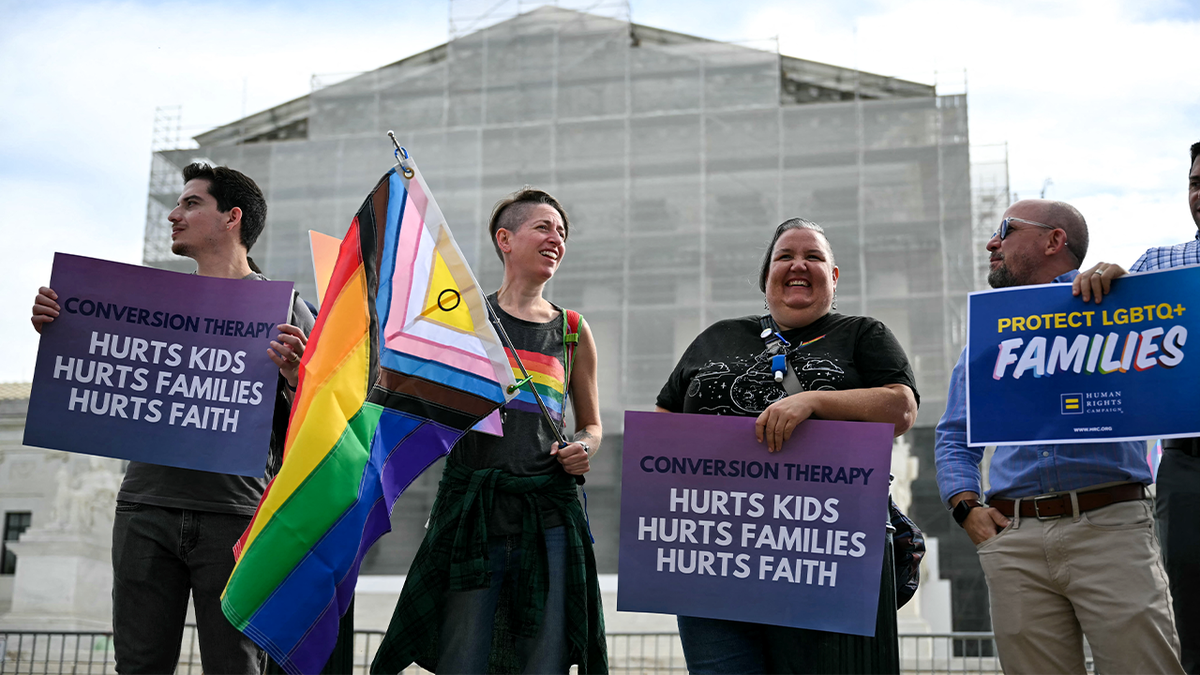
Demonstrators protest against conversion therapy outside the United States Supreme Court as the Court hears oral arguments in Chiles v. Salazar, a landmark case on conversion therapy, on October 7, 2025, in Washington, DC. (Andrew Caballero-Reynolds/AFP via Getty Images)
“We have a bill that is designed to be a de facto ban on conversion therapy in the future,” Soper said.
“That just strikes a chord with the average American, that the Supreme Court can’t even have a newly released ruling before having a legislature that is already pushing to undo what the Supreme Court just ruled,” he continued.
“Deep down, there isn’t even a clue as to what the law is or can be from the Supreme Court when there are states already working very hard to undermine an 8-1 ruling.
“Americans don’t like it when there is a legislature that immediately tries to overturn or undermine the highest court in the land, even before the heat has cooled.”
NJ SCHOOL DISTRICT’S SECRET TRANSGENDER POLICY FACE LEGAL THREAT FOR BIDDING SUPREME COURT RULING
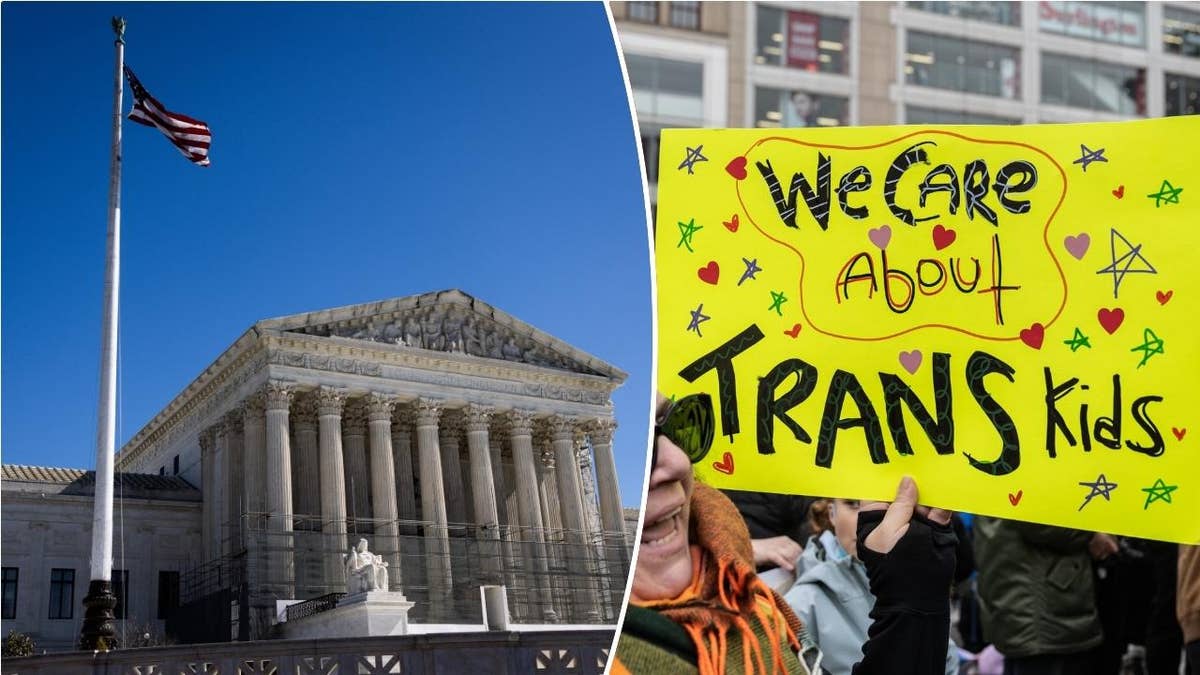
Colorado lawmakers passed a bill allowing “conversion therapy” lawsuits days after a Supreme Court ruling limited the state’s ban. (Getty Images)
The bill’s sponsors in the Colorado House, Reps. Alex Valdez and Karen McCormick, issued a statement following the high court’s ruling, reiterating that conversion therapy is “ineffective and harmful.”
“In Colorado, you belong just as you are. Now more than ever, we must protect LGBTQ+ Coloradans from the harmful practice that is conversion therapy. We pledge to continue making progress to safeguard the rights of the LGBTQ+ community in Colorado,” the lawmakers said.
DAVID MARCUS: SCOTUS WINS THE CASE ON THE CORRECT TRANSFORMATION OF CHILDREN, DESPITE THREE UNEQUAL WOMEN JUDGES
The Supreme Court’s decision was based on a lawsuit filed by Kaley Chiles, a licensed Christian therapist, who argued that her conversations with young clients were a form of protected speech.
The Colorado government argued that the conversations amounted to professional conduct that the state could regulate.
The case centered on a law Colorado passed in 2019 that banned what the state government described as conversion therapy.
JONATHAN TURLEY: JUDGE JACKSON’S DISSENT IN ‘CHILES’ REVEALS A NARROW VIEW OF THE FIRST AMENDMENT
While the 2019 law required claims against providers to be filed within two years, HB26-1322 would eliminate time limits for legal actions and, if the victim had died, their representatives could seek damages within five years of the individual’s death.
Soper criticized the bill for lacking a limit on recoverable damages or a statute of limitations for claims.
CLICK HERE TO DOWNLOAD THE FOX NEWS APP
“A mental health therapist could be guilty for their entire life,” he said.
Fox News Digital’s Michael Dorgan and Ashley Oliver contributed to this report.