


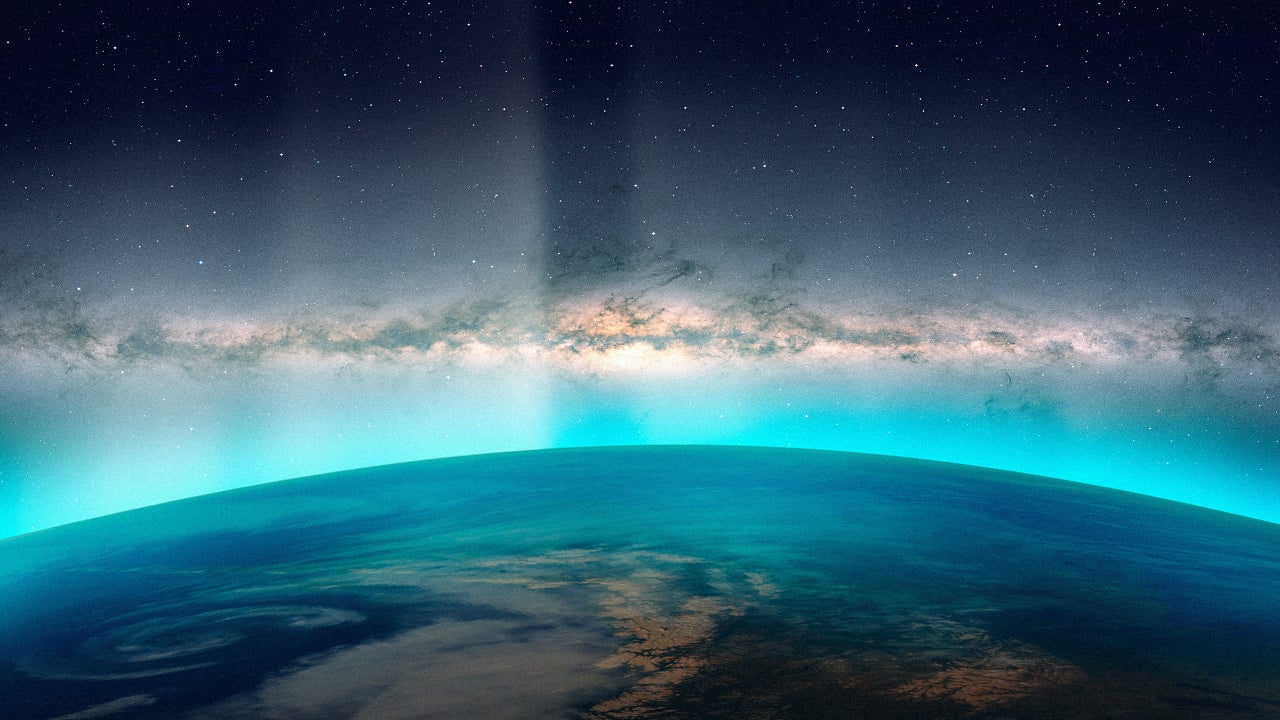
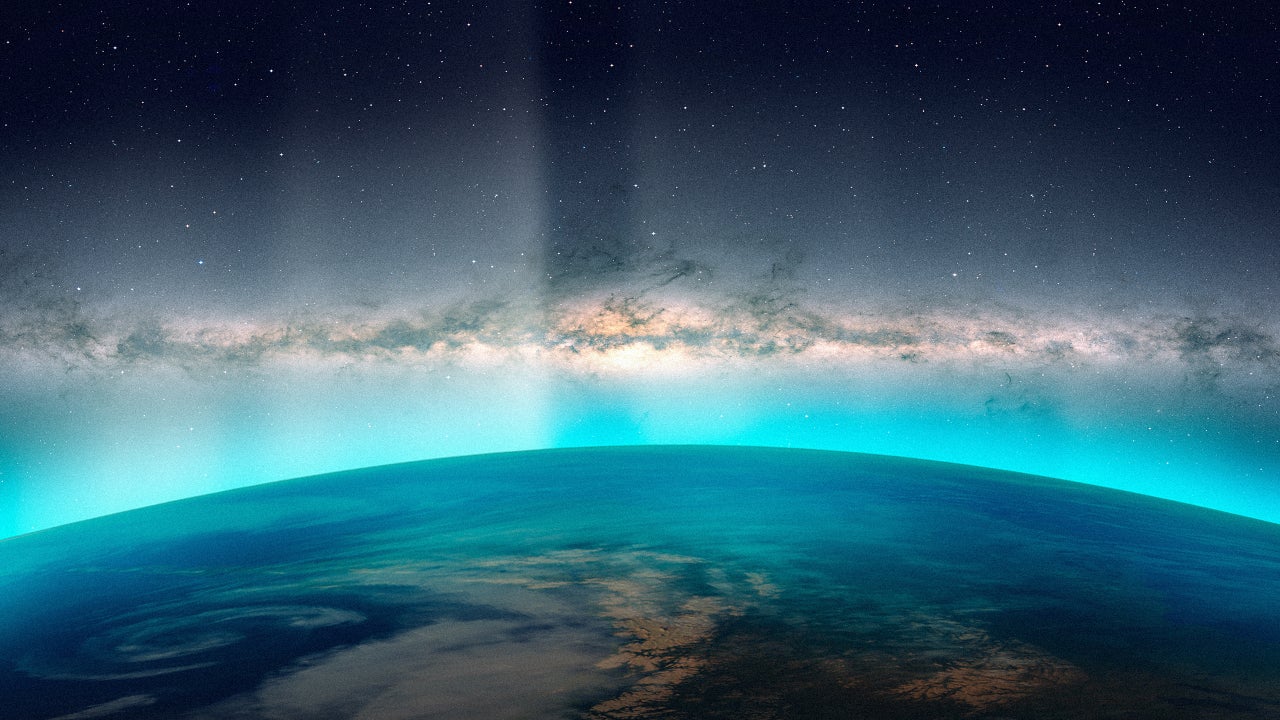
The Federal Communications Commission has granted a California startup permission to launch and test a satellite that would use a giant mirror to reflect sunlight back to Earth after sunset, despite objections from astronomers, wildlife experts and others who say the plan could disrupt scientific research and interfere with the sleep patterns of living organisms.
Reflect Orbital plans to launch the satellite, equipped with a 60-foot-wide mirror that is actually a thin-film reflector, into low-Earth orbit later this year. Ultimately, the company hopes to put up to 50,000 mirrors into orbit. They would reflect sunlight to power solar farms, illuminate city streets and aid rescue workers.
“The Reflect Orbital demonstration satellite is an example of potentially innovative technology,” the commission wrote in its licensing order.
However, scientists say the technology could have serious side effects. In a June letter to the FCC, the American Astronomical Society said the mirrors could compromise the work of federally funded astronomical facilities. Astronomers depend on dark skies to see deeper into space, and amateur stargazers could also face disturbances.
The group also warned that the project could temporarily cause “sudden blindness” among airline pilots and night drivers.
Other scientists warn that the project could interfere with circadian rhythms, which humans and animals depend on to know when to sleep or migrate and which plants use to know when to flower. In total, the FCC received more than 1,800 public comments on the application, most of them negative.
“It is clear that the activities proposed by Reflect Orbital will have an impact on Earth’s environment, including human health, agriculture and wildlife, as well as astronomy,” the American Astronomical Society wrote.
The FCC dismissed those warnings, describing the concerns as “hypothetical” and saying that activities in space are not subject to environmental laws.
“Even if the commission had the authority to review and condition these operations (which it does not), these damages are unlikely to occur,” the agency wrote.
Although the FCC has only approved one satellite so far, Reflect Orbital is already planning larger space mirrors. The largest currently proposed would span 180 feet and shine the equivalent of 100 full moons toward Earth. The company hopes to launch 1,000 satellite mirrors by the end of 2028 and another 5,000 by 2030.
Reflect Orbital said satellites could reduce fossil fuel use by extending the hours during which solar farms can generate power, which could help curb climate change.
“We are grateful to the FCC for recognizing the importance of testing novel technologies in space,” Ben Nowack, CEO of Reflect Orbital, said in a statement to Fast Company. “This license is the first step in rigorously testing the effectiveness of our technology and the safeguards we have developed.”
The FCC said astronomers and others could raise concerns again if Reflect Orbital files a future application to launch additional satellites.
Beyond the possible effects on astronomers, pilots, plants and animals, scientists warn that adding thousands of satellites would worsen the growing problem of orbital debris. At a panel discussion hosted by the National Academies on June 4, Tony Tyson, distinguished research professor at the University of California, Davis, and chief scientist at the Vera C. Rubin Observatory, said Reflect Orbital’s plans were “even crazier” than the proliferation of broadband satellites operated by companies like SpaceX and Amazon.
Tyson also expressed concern that the mirrors’ thin-film reflectors could scatter sunlight over a wide area rather than directing it precisely toward a target. “Imagine the sky full of moons,” he said.