

Introduction: The Rise of Conscious Cosmetics in America
In 2025, the U.S. cosmetic industry has fully embraced a powerful and lasting movement: clean beauty. Once viewed as a niche trend, clean beauty has become a dominant force in the $100+ billion beauty industry. Today’s American consumers are more health-conscious, environmentally aware, and ingredient-savvy than ever before, fueling explosive growth in brands that offer organic, non-toxic, cruelty-free, and eco-conscious products.
But “clean beauty” in 2025 is more than just plant-based formulas or minimal packaging. It’s a holistic lifestyle that combines wellness, sustainability, and science. With the tightening of regulations and increasing transparency in ingredient sourcing, clean beauty has grown from a buzzword into a standard that many USA cosmetic brands are proud to uphold.
This 2,000-word article explores the clean beauty boom in America, examining the top organic cosmetic brands leading the charge in 2025, what defines a “clean” product, evolving consumer expectations, and what lies ahead in this ever-evolving industry.
:What Is “Clean Beauty” in 2025?
In the past, the term “clean beauty” lacked clear definition. Brands self-identified as “clean” with little oversight. By 2025, however, a set of shared standards and consumer expectations has emerged.
Clean beauty now implies:
- No toxic or controversial ingredients such as parabens, sulfates, phthalates, formaldehyde, PEGs, and synthetic fragrances.
- Organic or naturally derived ingredients, ideally USDA-certified or ECOCERT approved.
- Cruelty-free practices, with no animal testing at any stage of production.
- Sustainable sourcing and ethical labor practices.
- Eco-conscious packaging, such as recyclable, refillable, or biodegradable materials.
- Transparency, with full ingredient lists and traceability.
While there is still no single governing body for “clean” cosmetics, many U.S. brands now undergo third-party testing and certification to verify their safety and sustainability claims.
Why Clean Beauty Is Booming in the USA
Several key factors have contributed to the clean beauty boom in 2025:
1. Health and Wellness Integration
Skincare and makeup are now seen as an extension of self-care and health, with Americans preferring ingredients they can recognize and trust.
2. Increased Ingredient Awareness
Social media, clean beauty blogs, and dermatologists have educated consumers on what’s inside their products—and what to avoid.
3. Environmental and Ethical Concerns
Younger consumers, especially Gen Z and Millennials, demand eco-conscious brands that minimize their environmental footprint.
4. Technological Advancements
New methods in plant extraction, fermentation, and green chemistry have made clean formulations more effective and shelf-stable.
5. Regulatory Shifts
With states like California passing ingredient transparency laws, brands must now disclose components that were once hidden under terms like “fragrance.”
Top Organic and Clean Cosmetic Brands in the USA (2025)
Here are the top U.S.-based cosmetic brands that have successfully fused luxury, performance, and organic integrity in 2025.
1. RMS Beauty
Founded by makeup artist Rose-Marie Swift, RMS continues to lead the clean beauty space. Known for its iconic “Un” Cover-Up concealer/foundation and coconut oil-based luminizers, RMS focuses on:
- Raw, food-grade organic ingredients.
- Minimal processing to maintain ingredient potency.
- Glass and recyclable aluminum packaging.
Their multi-use color pots remain a favorite for minimalist, natural glam looks.
2. Ilia Beauty
Ilia successfully bridges the gap between clean beauty and high-performance makeup. Known for their Super Serum Skin Tint SPF 40, Ilia combines skincare actives like niacinamide and squalane with natural pigment.
- Vegan and cruelty-free.
- Formulated without over 1,300 banned ingredients.
- Recyclable packaging and refillable options.
Their Limitless Lash Mascara remains one of the most awarded clean mascaras in the country.
3. Juice Beauty
This California-based brand uses certified organic botanical juices as their base instead of water—making their formulas antioxidant-rich and potent.
- USDA-certified organic where applicable.
- Solar-powered manufacturing facilities.
- Clinical-grade skincare and makeup backed by research.
Their Phyto-Pigments makeup line uses plant-based colorants instead of synthetic dyes, appealing to consumers seeking purity and performance.
4. Beautycounter
One of the most politically active clean brands, Beautycounter is known for its advocacy work in Washington, D.C., fighting for stricter regulations in personal care products.
- Has “The Never List” of 1,800+ ingredients they never use.
- B Corporation certified.
- Provides full ingredient transparency.
5. Kosas
Kosas has carved out a reputation as a “cool-girl” brand offering bold colors and skin-loving ingredients. It’s particularly loved by Gen Z.
- Uses clean, skin-benefiting ingredients like arnica, hyaluronic acid, and peptides.
- Inclusive marketing across skin tones and genders.
- Cult favorites include Revealer Concealer and 10-Second Eyeshadow.
Kosas prioritizes emotional wellness, branding its products as feel-good, mood-boosting beauty.
6. Tower 28 Beauty
Tower 28 is one of the few brands recognized by the National Eczema Association, making it ideal for sensitive skin.
- Fragrance-free and non-toxic.
- Affordable and accessible (often under $25).
- Reef-safe and sustainable formulations.
Their BeachPlease Cream Blushes and ShineOn Lip Jellies have a loyal following among both clean beauty advocates and makeup artists.
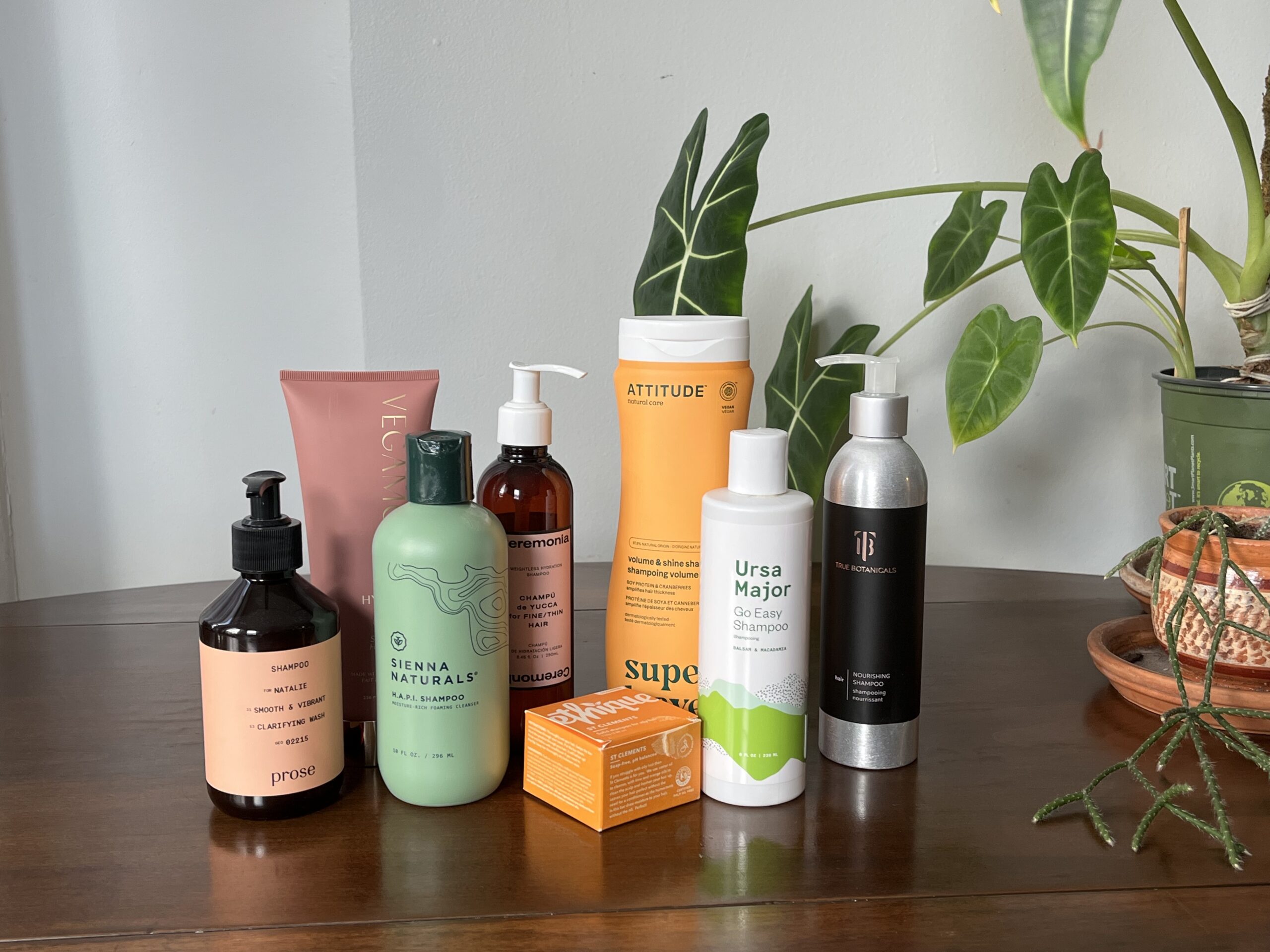
7. True Botanicals
This luxury skincare-meets-cosmetics brand focuses on bio-compatible ingredients—those that work in harmony with the skin’s microbiome.
- Made safe certified.
- Cruelty-free, vegan, and ethically sourced.
- Works with holistic dermatologists to develop formulas.
Their tinted moisturizers and luminizing skincare hybrids are marketed toward mature and wellness-oriented consumers.
How Clean Beauty Brands Are Innovating in 2025
To stay competitive, clean beauty brands are pushing boundaries in formulation, packaging, and performance.
1. Zero-Waste and Refillable Systems
More brands are introducing refillable compacts, lipsticks, and foundations that reduce waste without compromising luxury.
2. Solid and Waterless Cosmetics
Bars and powders that activate with water are becoming popular, cutting down on preservatives and carbon emissions from shipping heavy liquids.
3. Fermented Botanicals
Fermentation enhances the potency and absorption of plant extracts, offering superior results with fewer ingredients.
4. Biodegradable Glitter and Pigments
Clean color cosmetics now use mica alternatives that are ethically mined or lab-created to ensure fair labor and environmental safety.
Challenges in the Clean Beauty Industry
Despite its growth, the clean beauty movement faces hurdles that brands must continuously address.
1. Greenwashing
Some companies use “natural” or “organic” as marketing terms without proper certification, misleading consumers.
2. Limited Shelf Life
Organic products often contain fewer preservatives, reducing shelf life. Brands must educate consumers on proper storage and expiration.
3. Performance Expectations
Some early clean products lacked pigment payoff or long wear. Consumers now demand clean products that perform like mainstream cosmetics.
4. Higher Cost
Clean and organic ingredients are often more expensive. Brands are working on democratizing pricing without compromising integrity.
Clean Beauty and Inclusivity
In 2025, clean beauty brands are also being held to higher standards regarding shade diversity, accessibility, and representation.
Key Improvements:
- More clean foundations now offer 40+ shades with multiple undertones.
- Inclusive marketing campaigns featuring BIPOC, mature, and disabled models.
- Gender-neutral product design and branding.
- Offering affordable clean lines through mass retailers like Target, CVS, and Ulta.
The most successful brands understand that clean beauty should serve everyone—not just a narrow segment of eco-conscious shoppers.
