


I work in front of a screen. And I’ve been thinking about how AI will change my work. What does this mean for my future? It’s completely normal to wonder about this. Most people are convinced that artificial intelligence is a threat to their careers. But what they forget is the human value they bring to their work.
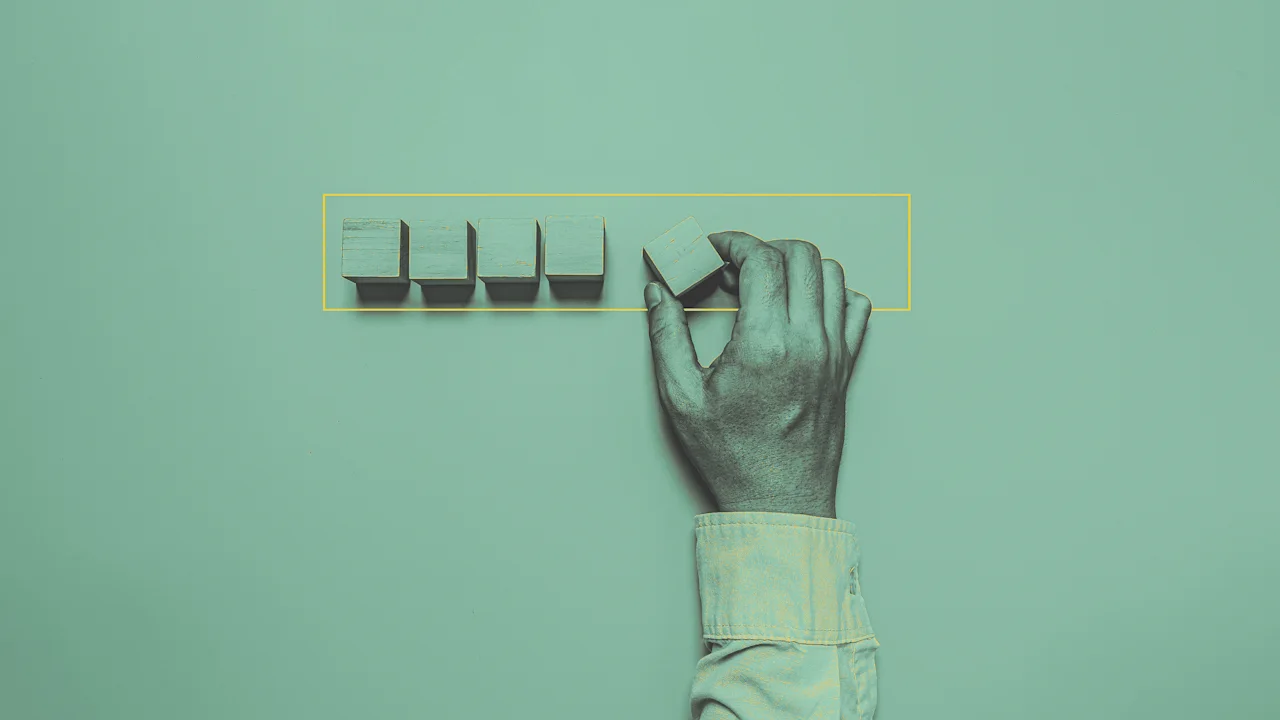
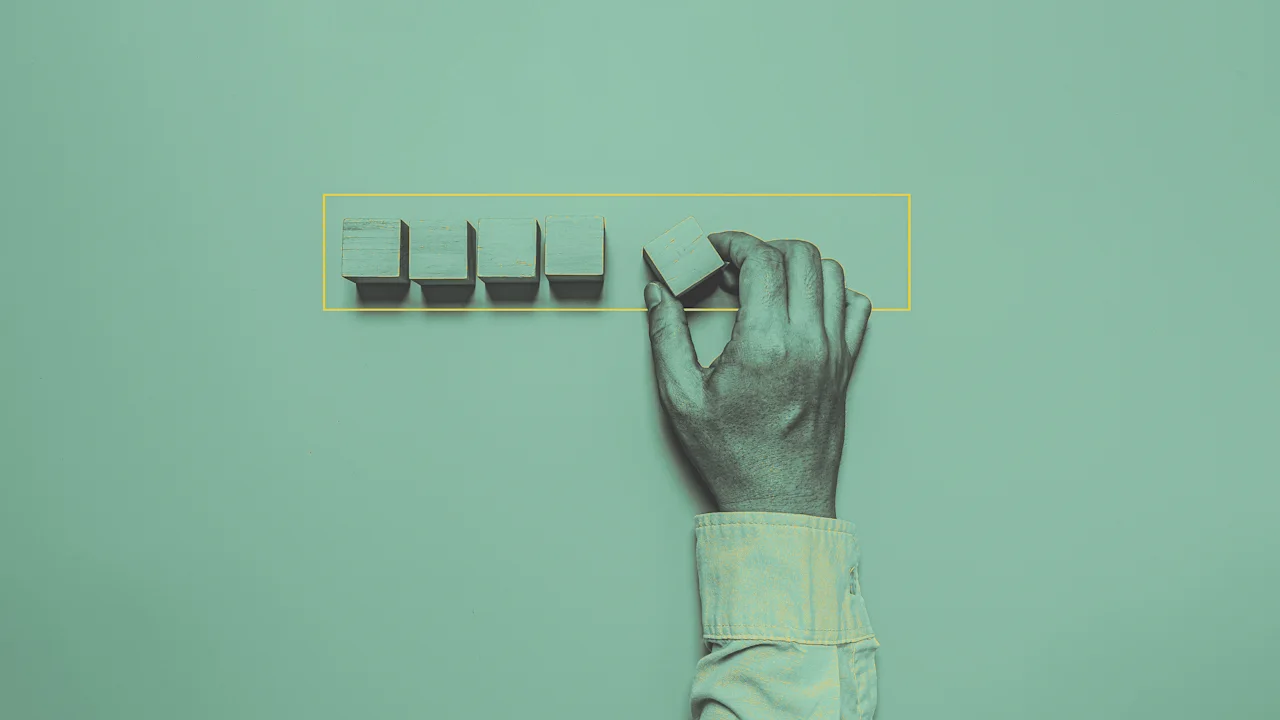
Aaron Levie, CEO of enterprise cloud company Box, recently noted that when people look at AI at work, they’ll most likely see it take care of the first 80% of a task: the heavy lifting of repetitive processing. The last 20% is where you come in. Your domain experience, your judgment, and your relationships. That’s what makes you irreplaceable. AI can finally give you the space to add human value at work.
“It turns out that the extra 20% is all the value creation of that profession. All the domain expertise and knowledge is in that last 20%, not in the text that was generated,” Levie said in an interview with Casey Newton of Platformer, the online publication on technology and democracy. I couldn’t agree more.
Your judgment is valuable
Take the work of a lawyer as an example. Junior associates spend most of their week reading precedents, looking for case connections, and summarizing legal statements. That’s 80% of the work. The long, tedious, trainable and reproducible task. No client hires a lawyer just for that. They expect them to make better, more persuasive arguments to win. To convince the judge. To save the dying deal. Only you can do the 20%. Practical human value. AI’s work appears to be finished, but it is not. Not even close. It’s good in execution, but the meaning and context are up to you.
The professional anxiety you feel about AI is normal, but it may be misdirected. When people say “AI is taking over my job,” they usually mean that it is taking over their tasks. Write code, analyze long documents, and conduct research. The first pass. And yes, super-intelligent machines are coming for them. If you built your professional identity solely by executing tasks, that’s hard to calculate.
The good news is that your practical knowledge and experience are still relevant. All of this makes your judgment valuable. AI can’t replicate that. Domain experience under pressure must count for something. A cybersecurity engineer knows exactly what steps to take when an attack occurs. Making that call in real time with incomplete information changes your approach. The data does not always give a clear answer.
You have to decide anyway. Who supports that decision? Not the AI. You can notice the patterns. But it is the engineer who must find a specific solution to solve the problem.
Most companies are limited by execution capacity. They can’t implement all the good ideas because they don’t have the people to execute them all. When AI takes charge of execution, the limitation becomes the quality of the ideas. The clarity of human judgment. And customer relationships they can’t afford to lose. If you still want to keep 80%, you are running in the wrong direction. You can’t compete with AI in speed. Focus on honey, your quality of judgment.
The value and usefulness that only a human perspective can fill. Your clients don’t buy your services just for the results; They also buy peace of mind. And they also like to work with people with better reputations. Trust is not a digital asset.
In the future of work, the world will reward that 20% more.
The case of the calculator
When calculators became universal, they did not make mathematicians obsolete. They simply took over repetitive mathematics, freeing mathematicians to spend more time on quality and better mathematical thinking. The profession evolved upwards. The initial work disappeared. High-level work expanded. AI is doing the same thing with knowledge work. To scale. It’s just that it’s happening everywhere, in every field, at the same time. Develop the kind of experience that requires better judgment. And relationship capital that worsens over time.
Develop your specific point of view at work. What AI cannot do is replace the original perspective gained through engagement with practical problems over time. What matters is your distinctive angle on your field, built from specific experiences, failures, and observations. It is the experience that makes your presence in the room valuable. The threat of AI is understandable. The pace of change is crazy. Some jobs and skills are becoming less valuable. Don’t stay terrified. Fear takes away your ability to think clearly. It makes us cling to routine tasks that we feel confident doing. But routine tasks are exactly what machines want.
If you’ve been doing meaningful work for a significant period of time, you’ve accumulated things that AI can’t access. AI is taking parts of your job that you probably didn’t like that much anyway. Even that requires your opinion. If you feed the AI the wrong ideas, it will give you a brilliant, highly optimized wrong answer. The rarest skill right now is the ability to diagnose the real problem before rushing to fix it. You are still needed for a job that requires your specific experience. Don’t underestimate what you’ve already built. You have what it takes to survive the AI.